What Makes EVs a Smart Choice
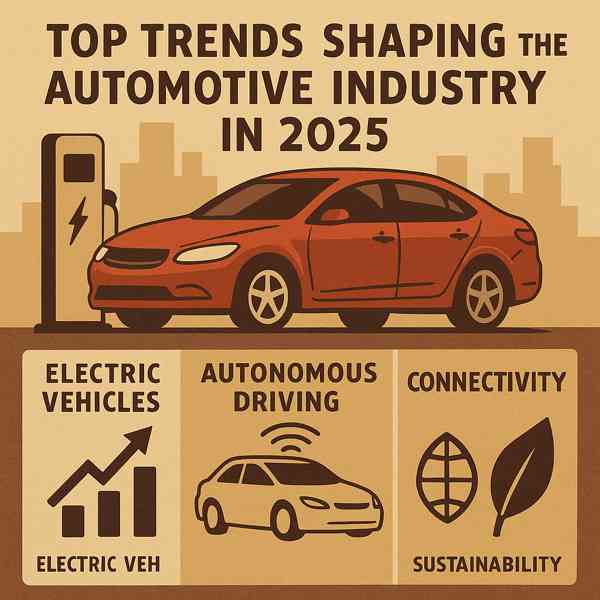
Electric vehicles (EVs) are transforming the way we think about transportation.
As battery technology improves and infrastructure expands, owning an electric vehicle has never been more practical.
What Are Electric Vehicles?
Unlike gasoline-powered cars, EVs produce zero tailpipe emissions.
Key components of EVs include:
- Replaces the internal combustion engine
- Usually lithium-ion or solid-state
- Manages energy flow from battery to motor
- Charging system
Electric vehicles come in various types, such as battery electric vehicles (BEVs)—each with different levels of electrification.
Advantages of Going Electric
The rise of electric vehicles is fueled by their positive environmental impact.
Why EVs are gaining popularity:
- Lower operating costs
- Helps fight climate change
- Less noise and vibration
- Government incentives and tax credits
For eco-conscious and cost-aware drivers, electric vehicles are an increasingly forward-thinking choice.
Limitations to Consider
Understanding the limitations of electric vehicles will help you make an informed decision.
EV challenges to consider:
- Limited driving range
- Longer trips need planning
- More expensive upfront than comparable gas models
- Battery lifespan and replacement
As technology advances and infrastructure improves, many of these challenges are becoming more acceptable.
Exploring EV Variants
Choosing the right type depends on your needs, driving habits, and budget.
Categories of electric vehicles:
- Battery Electric Vehicles (BEVs)
- Can switch between electric and fuel power
- Hybrid Electric Vehicles (HEVs)
- Use hydrogen to generate electricity
Each type has its pros and cons, so buyers should future of electric vehicles evaluate their needs.
How to Charge Your EV
There are multiple charging levels and methods depending on your location.
Types of EV charging stations:
- Slow but accessible anywhere
- Level 2 Charging
- Rapid chargers at commercial locations
- Still in development or premium models
As public charging networks expand, EV owners will enjoy even more freedom, flexibility, and convenience.
What’s Next for EVs?
As governments push for cleaner energy and manufacturers invest in innovation, the future of EVs looks bright.
Where EVs are going:
- Longer range and safer performance
- Turning cars into energy assets
- Autonomous electric vehicles
- More choices at lower prices
As innovation continues, EVs will become more mainstream and essential.
The Road Ahead for EVs
With growing demand and continuous improvement, EVs are becoming a realistic option for more drivers every day.
The future is electric—are you ready to plug in?